
Table of Contents
Brand Strategy: Why Most Businesses Get It Wrong (and How to Fix It)
Many startups and growing businesses invest heavily in ads, websites, and social media, yet struggle with low trust, weak positioning, and poor conversions. The problem often isn’t the marketing itself. It’s the lack of a clear brand strategy.
Without a structured brand strategy, businesses end up with inconsistent messaging, disconnected visuals, and campaigns that fail to resonate. This article breaks down what brand strategy really means, the most common mistakes businesses make, and how a data-driven approach creates real growth.
What Is Brand Strategy?
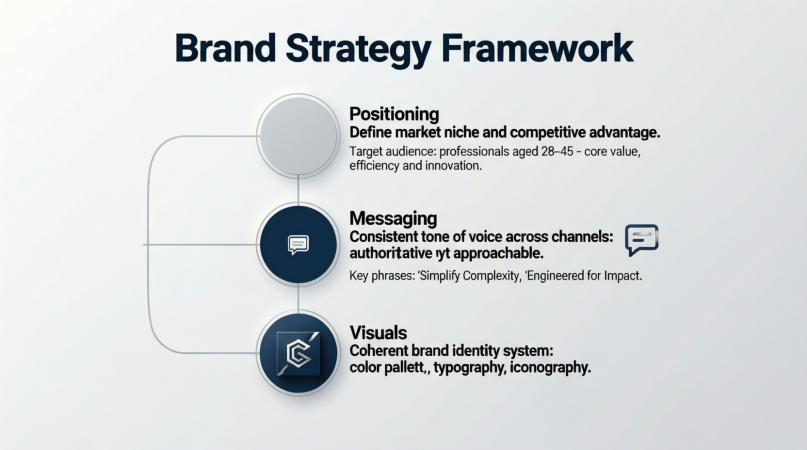
A brand strategy is the blueprint that defines how your business is perceived, remembered, and chosen.
It aligns:
- Who you serve
- What you stand for
- How you communicate
- How your brand looks, sounds, and behaves
For beginners, think of brand strategy as the system that ensures every touchpoint works together. Your website, ads, social media, emails, and visuals should all reinforce the same promise and value.
When brand strategy is missing, marketing becomes guesswork.
Why a Clear Brand Foundation Drives Growth
Today’s customers are overwhelmed with choices. They don’t buy the best product on paper. They buy the brand they trust and understand fastest.
A strong brand strategy helps you:
- Build credibility and trust
- Improve conversion rates
- Reduce wasted ad spend
- Stand out in crowded markets
- Create long-term brand equity
For e-commerce, SaaS, and service-based businesses, branding strategy directly impacts revenue, not just aesthetics. Brand consistency and trust
7 Common Branding Mistakes Businesses Make
1. Confusing Branding with Just a Logo
A logo is not a brand strategy. Without positioning, messaging, and consistency, even a great logo fails to create impact.
2. No Clear Brand Positioning
If you cannot clearly explain why someone should choose you over competitors, your brand strategy is incomplete. Weak positioning leads to price competition and low trust.
3. Inconsistent Visual Identity
Using different colors, fonts, and styles across platforms creates confusion. Consistency builds familiarity, and familiarity builds trust.
4. Messaging That Focuses Only on Features
Customers care about outcomes, not features. Brand strategy defines how you translate features into meaningful benefits.
5. Running Ads Without a Brand Foundation
Paid campaigns without a brand strategy often drive traffic but not conversions. Ads amplify strategy. They don’t replace it.
6. Ignoring Brand Audits
Many businesses keep scaling broken systems. A brand audit reveals gaps in messaging, visuals, positioning, and customer perception.
7. No Ongoing Brand Management
Brand strategy is not a one-time exercise. Markets evolve, competitors change, and brands must adapt while staying consistent.
How a Data-Driven Branding Strategy Fixes These Problems
At Deluxe Digital Solutions, brand strategy is treated as a growth system, not a creative exercise.
A data-driven brand strategy includes:
- Market and competitor analysis
- Customer behavior insights
- Conversion-focused messaging frameworks
- Performance-based validation through real campaigns
This approach ensures branding decisions are backed by data, not assumptions.
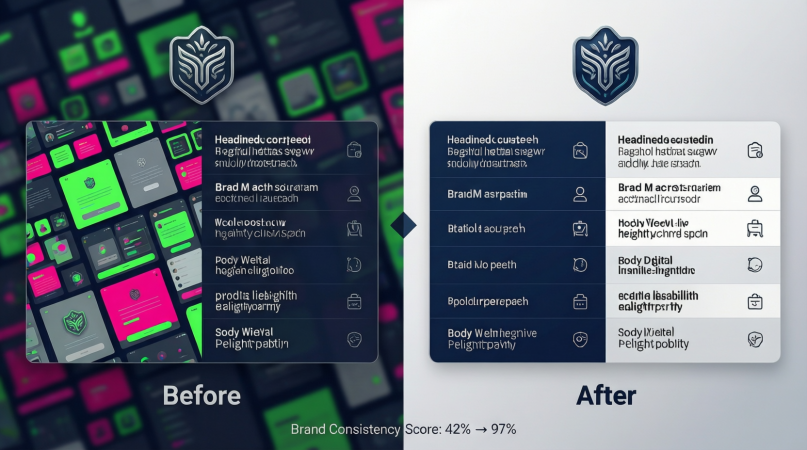
Case-Study: Before and After Branding Strategy
Before
A SaaS startup runs ads with high click-through rates but low sign-ups. Messaging is vague. Visuals change across platforms. Users don’t understand the value fast enough.
After
A brand audit identifies unclear positioning. Messaging is refined around one core value proposition. Visual identity is standardized. Landing pages align with ads.
Result
Higher trust, lower bounce rates, and improved conversions without increasing ad spend.
This is what happens when brand strategy and execution work together.
Core Branding Strategy Services That Drive Results
Brand Positioning
Defines your unique place in the market and why customers should care.
Visual Identity
Creates a consistent and recognizable look across all touchpoints.
Brand Audits

Identifies weaknesses, inconsistencies, and missed opportunities.
Ongoing Brand Management
Ensures your brand evolves without losing clarity or trust.
When strategy and execution live under one roof, results compound faster.
How Branding Strategy Impacts Conversions Directly
Branding strategy influences:
- First impressions on landing pages
- Trust during the decision phase
- Emotional connection with customers
- Long-term customer loyalty
A clear brand strategy reduces friction at every step of the customer journey.
Frequently Asked Questions
What is the difference between a branding approach and marketing?
Brand strategy defines the foundation. Marketing executes on top of it. Without strategy, marketing lacks direction.
Is brand positioning only for big companies?
No. Startups and small businesses benefit the most because early clarity prevents costly mistakes.
How long does it take to build a brand strategy?
Typically a few weeks, depending on depth. The impact, however, lasts for years.
Can brand strategy improve ad performance?
Yes. Strong brand strategy improves message clarity, trust, and conversion rates across paid channels.
Do I need ongoing brand management?
Yes. Brands that stay consistent and adaptive outperform those that stay static.
Final Thoughts: Branding Strategy Is a Growth Asset

A clear brand direction is not optional anymore. It’s the difference between scaling efficiently and burning budget without results.
If your business struggles with inconsistent branding, weak positioning, or poor conversions, the solution isn’t more ads. It’s a clearer strategy.
A well-built, strong brand foundation turns attention into trust and trust into revenue.
If you want clarity, consistency, and measurable growth, the next step is simple. Reach out to the team at Deluxe Digital Solutions and start building a consistent branding that actually converts.